

GameStop: how Redditors played hedge funds for billions
The GameStop drama has sent waves through financial markets. The ease with which these stocks were manipulated is concerning, writes UNSW Sydney's James Doran
How does a small retail company that sells video games, worth less than US$400 million (A$524 million) in the middle of 2020, become a US$10 billion (A$13 billion) company in less than six months? How does its share price climb from about US$20 (A$26) on 12 January 2021, to US$347 (A$454) on 27 January – then fall back to US$193 (A$252) the very next day?
The stunning price surge in GameStop shares, driven largely by hyped-up Reddit users with the aid of Elon Musk, has drawn the attention of the US government, led to calls for regulation from the head of the NASDAQ exchange, and even driven up the shares of an Australian mining company with a coincidentally similar sharemarket code.
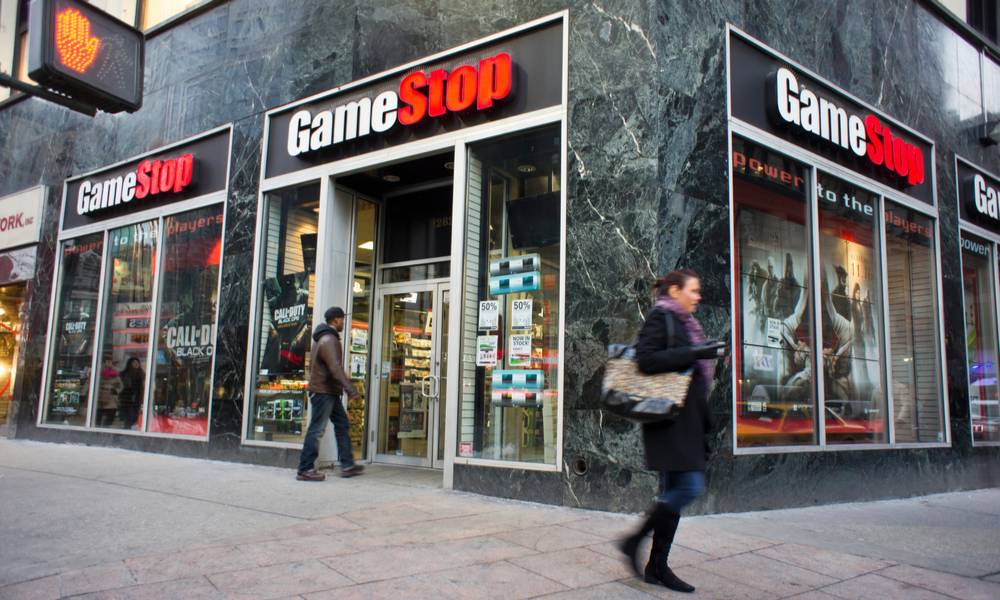
How is this happening? The simple answer is it’s a power play, magnified by social media, between small retail investors who want some share prices to rise and larger hedge funds who have made big bets that those same prices will fall.
Revenge of the little fish
Melvin Capital is a hedge fund, worth US$12.5 billion (A$16.3 billion) until very recently, that held a “short position” in GameStop. A short position means Melvin was betting GameStop’s share price would fall (a reasonable bet, as the outlook for brick-and-mortar video game stores is a bit like what happened to Blockbuster and other video rental outlets). This in itself is not at all unusual.
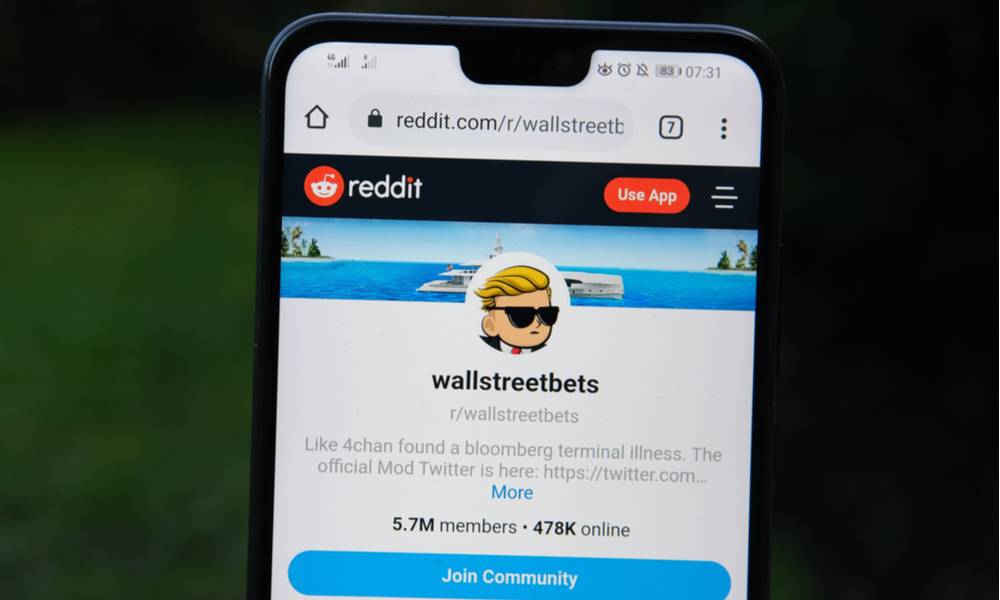
What made the past two weeks so unique was the heavy involvement of small individual investors in driving the action. Through platforms like Reddit (specifically the Wall Street Bets forum, which describes itself as “like 4Chan found a Bloomberg terminal”), these retail investors have worked together to drive prices so high that hedge funds have had to abandon their short positions.
Read more: Three useful things to know about fear economics (and how to contain it)
As a result, short sellers have lost a lot of money, and retail investors (and anyone else with GameStop shares) have made huge profits. Normally on the stock market, the shark swallows the little fish. Now the little fish are eating the shark. These individual investors started buying shares (and options to buy them in the future) in GameStop and other companies with significant short positions. In fact, the 50 most shorted companies on the Russell 3000 index have gone up 33 per cent this year.
This increase has become a surge in recent days. GameStop surged in value by 92 per cent on 26 January (US time), leapt another 134 per cent on 27 January, and has traded more than 178 million shares. The average daily trading volume for GameStop is roughly 10 million shares. This is not normal.
How long can Redditors remain irrational?
How is it possible that small retail investors can drive the value of a company up like this? Two important factors have led to the situation. The first is structural. Investors seized on the fact that Melvin and another fund, Citron Capital, held significant short positions in GameStop.
When a stock price surges, short-sellers must either put in more money to sustain their positions or liquidate. Melvin tried to sustain its short position because the hedge fund’s managers believe the stock is overvalued and has suffered massive losses as a result (last week, Melvin announced it was already down 30 per cent on the year). This is a case of the well-known idea that “the market can remain irrational longer than you can remain solvent”.
Melvin may ultimately be right, and GameStop’s price will eventually fall, but retail investors who knew about Melvin’s bet forced it into an untenable position. With the price continually pushed up, Melvin was left with a stark choice: continue to go short, or realise its losses.
How buying creates more buying
This leads to the second factor: mechanical. The retail investors driving the price surge are much smaller than the hedge funds they are battling. By buying the stock and call options (which are effectively rights to buy the stock in the future at a specified price), retail investors are prompting market makers to buy GameStop shares as well.
Market makers are companies that facilitate share trades by owning stocks and making them available for sale. Market makers don’t care about whether stock prices rise or fall; they just want a cut when people buy or sell. So when an investor buys a call option from a market maker, the market maker will immediately hedge the position by buying the stock. This way, they are covered whether the price rises or falls.
Subscribe to BusinessThink for the latest research, analysis and insights from UNSW Business School
If there is a large enough surge in speculators buying call options, as we have seen with GameStop, it will be accompanied by significant stock buying. This is a cascading effect, which leads to price runs. In this case, it’s running the price up, but we are just as likely to see the same effect running the price down. (This is what happened on a larger scale on 19 October 1987, triggering the Black Monday stock market crash.)
After the surge
These two factors – short-sellers getting squeezed and market makers hedging their bets – have led to this situation. You need both for what we are witnessing: an investor with an exposed position (Melvin) and a flurry of investors targeting that position (Redditors and others).
Soon this will all be over. Late on 27 January (US time), Melvin Capital announced it had abandoned its short position. It’s unclear how much money Melvin lost, but it has taken on almost US$3 billion (A$3.9 billion) in investment from the Citadel and Point72 funds to cover its losses.
Read more: Why are stock markets defying economic reality?
The next morning, GameStop’s price continued to rise, reaching nearly US$500 (A$654) briefly. However, at that point, several popular retail stockbrokers – including Robinhood, Interactive Brokers and E*Trade – intervened to limit trading in several highly active stocks, including GameStop. The price quickly plummeted before rallying and ending the day at $US193.60 (A$253.30).
What’s next? With the short-sellers removed from the game, the reality of the company’s business prospects may reassert itself. The past two weeks have been exciting times for market watchers. But we cannot ignore the apparent ease with which these stocks have been manipulated, and the possibility of more market manipulation in the future.
FAQ: Redditors, short selling and GameStop
What is a short squeeze?
A short squeeze can occur when short sellers buy shares to close positions as a price rises. That buying can add demand and put further pressure on the price.
How did Reddit feature in the GameStop stock surge?
The article describes how users on WallStreetBets discussed GameStop and bought shares and options. The SEC staff report also notes frequent mentions on Reddit during the event.
How did short positions affect GameStop shares?
Some short sellers faced losses and bought shares to close positions. The SEC staff report says this likely contributed to price increases during some periods, while noting that short covering did not appear to be the main driver of the event.
Did call options cause a gamma squeeze in GameStop?
The article describes market-maker hedging as one possible source of share buying. The SEC staff report says it found no evidence of a gamma squeeze in GameStop during January 2021.
Why did brokers limit GameStop trading?
The article reports that several brokers limited trading in GameStop and other shares. The SEC staff report examines broker responses alongside clearing agency margin and capital issues
A version of this post first appeared on The Conversation.